Facebook
 X
X
 Pinterest
 Copy Link
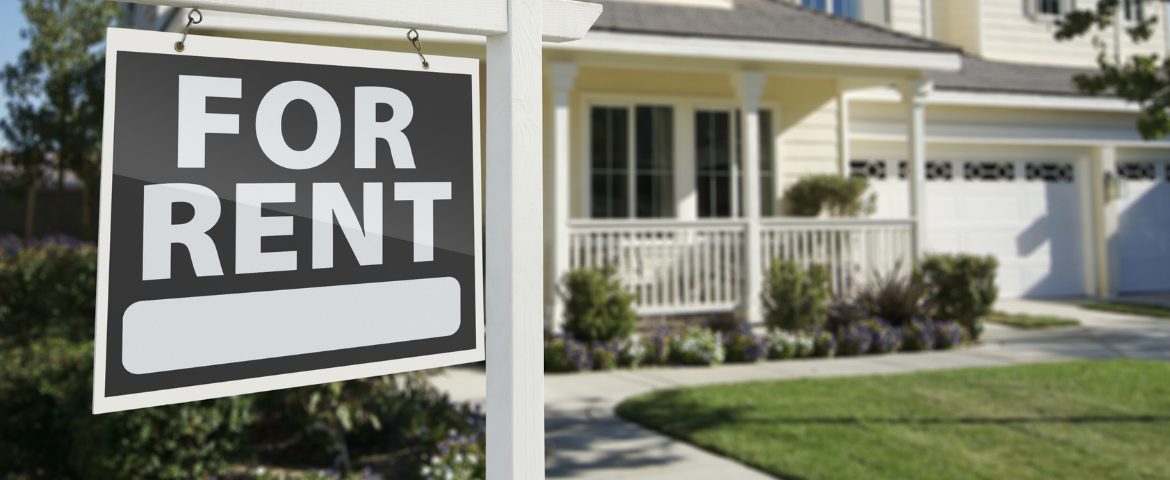
Let’s take a look back at rental property investing 10 years ago… and how it has evolved to today.
Put 20% down ($30,000), finance $120,000 over 25 years at 5%, and your mortgage would be under $700/month. Factor in $400 for taxes and insurance, $200 for maintenance, and a month of vacancy… you’d still be looking at roughly $100/month in positive cash flow.
With numbers like that, many investors bought a property per year, either solo or with a partner. Condos were slightly trickier due to fees, but cash flow was often similar to single-family homes.
That may seem impossible today, but I bought my first rental property in Windsor in 2015 for just $105,000: a storey-and-a-half wartime home near the University of Windsor. Today, similar homes are selling for over $360,000, with rents around $2,400/month (making cash flow negative if purchased at today’s prices).
As prices rose, investors adapted.
-
Adding units: basement suites or accessory dwelling units (ADUs) to increase rental income.
-
Short-term rentals (STRs): renting daily or weekly to boost returns.
However, these strategies are becoming more challenging. Pre-COVID, basement renovations cost $30–50K; now, they run $80–150K. STRs face legal and tax hurdles, including municipal by-laws and condo restrictions.
Other pandemic-related challenges hit landlords hard: skyrocketing condo fees, inflation, and backlogs at the Landlord and Tenant Board. Some landlords went over a year without rent… I even had one tenant go 16 months. Many looked at their equity gains, weighed them against decreased cash flow and tenant headaches, and chose to sell or shift investments.
In 2022, CMHC introduced the MLI Select program, offering insured mortgages with 40–50 year amortizations… but only for properties with 5+ units. This drove a shift toward multi-family investing, but the higher prices and down payments create barriers for smaller investors. Some turned to partnerships; others looked to stocks or paying down their primary residence mortgage.
So what’s next for real estate investing?
-
Investing in corporations or REITs that own or develop multi-family and commercial properties. This reduces the barrier to entry, can be passive, and offers tax advantages through dividends and tax-sheltered accounts. Some might even rent the apartment they live in and invest in the REIT instead of buying a condo.
-
Direct ownership in select markets. Single-family homes or condos will still appeal to:
-
Buyers in secondary or tertiary markets where properties can still cash-flow.
-
Owners of cottages or recreational properties who want personal use and rental income.
-
Parents buying properties for their children as a hedge against future inflation… often negative or break-even cash flow, more of an insurance strategy than an investment play.
The landscape has shifted dramatically over the last decade. While strategies have evolved, smart investors continue to adapt… finding new ways to balance risk, cash flow, and long-term growth.
If you found this email interesting, I recently recorded a podcast covering this topic in greater detail! CLICK HERE to have a listen!

Cody Kraus
Broker | Owner
c: 519.322.7105
e: cody.kraus@century21.ca