Facebook
 X
X
 Pinterest
 Copy Link
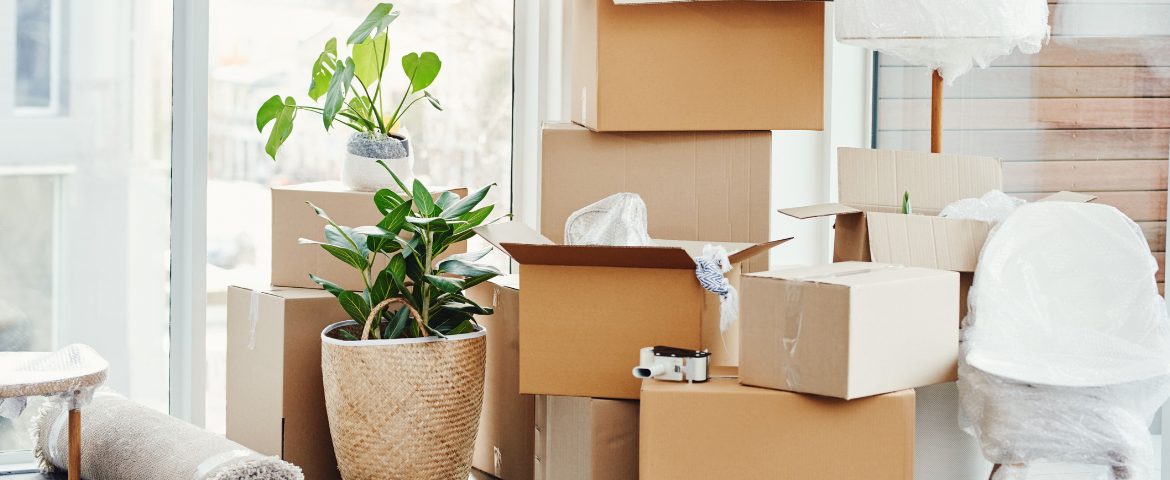
For many of us, our first home holds a special place in our hearts. For us, it was a tiny two-bedroom, one-bath home in Walkerville. It was a cute little place with a detached garage and parking off the alley. We started renovating the day we moved in and didn’t stop for seven years. We threw parties, hosted Christmas gatherings, and there always seemed to be something going on. At that stage of our lives, it was perfect.
But like most things, time moves on and life changes.
When we found out we were expecting our son, suddenly things like family, daycare and school districts became much more important. We also knew our tiny home wasn’t going to meet the needs of our growing family. We still loved the house. It just wasn’t the right home for where our lives were headed.
Sometimes the question isn’t: “Do I still like my house?” It’s: “Does this house still work for the life I’m living now?”
Those are two very different questions.
Your Life Changed. Your House Didn’t.
Most of us buy a home based on what makes sense at a particular stage of life. A young couple may want room for a growing family. Years later, the kids move out and suddenly there are empty bedrooms, a large yard and much more house than they need. Or the opposite happens. That perfect starter home now has kids, pets, sports equipment, a home office and nowhere to put anything. The house didn’t become a bad house. Your life simply changed around it.
Here are a few signs it may be worth thinking about what comes next.
1) You’re Trying to Make the House Something It Isn’t
There’s nothing wrong with renovating. But if you’re constantly talking about adding bedrooms, changing the entire floor plan, creating another bathroom, building an addition or eliminating stairs, it may be worth asking: Are we improving this house, or trying to turn it into a completely different house?
Before investing heavily in renovations, compare the cost with what moving to a home that already fits your needs might look like.
2) You’re Paying for Space You Don’t Use
Maybe the kids have moved out. One bedroom stores Christmas decorations. Another rarely gets used. The formal dining room sees people twice a year. Meanwhile, you’re still heating, cooling, cleaning and maintaining all of it. Downsizing doesn’t have to mean giving something up.
For some homeowners, less house can mean:
- less maintenance
- fewer stairs
- lower expenses
- more travel
- a better location
- more time for the things they actually enjoy
Sometimes less house creates more lifestyle.
3) Your Location No Longer Fits Your Life
A neighbourhood that made perfect sense 15 years ago may not make sense today. Maybe you originally bought close to work or your children’s school. Now you’d rather be closer to family, shopping, restaurants, medical services or the places you actually spend your time. A house can still be wonderful while its location no longer works for your everyday life.
4) Maintenance Has Become a Burden
Homeownership comes with work. Grass needs cutting. Snow needs clearing. Gardens need attention. Roofs, windows and furnaces eventually need replacing. For some people, that’s part of the enjoyment. For others, there comes a point when they realize: “I don’t want to spend my weekends doing this anymore.” That doesn’t automatically mean moving to a condo. It simply means maintenance should become part of the conversation when thinking about your next stage of life. There is real value in getting your time back.
5) Your Future No Longer Fits the House
One of the best questions you can ask isn’t whether your home works today. It’s whether it will still work five or ten years from now.
Are you planning to retire?
Will stairs eventually become an issue?
Do you want to travel more?
Will the kids be leaving home?
Would you like to live closer to family?
Do you expect to work from home?
Good real estate decisions often begin long before the For Sale sign goes on the lawn.
But Moving Isn’t Always the Answer
Sometimes the right answer is to stay exactly where you are. A renovation may solve the problem. Hiring someone to handle the yard might make the house enjoyable again. And sometimes, after looking at what else is available, homeowners realize they already have exactly what they want. That’s valuable information too. The goal isn’t to convince yourself to move. The goal is to understand your options.
Ask Yourself These Five Questions
- If I were buying a home today, would I choose this one again?
- What frustrates me most about living here?
- Can those frustrations realistically be fixed?
- What do I want my life to look like five years from now?
- Would a different home make that lifestyle easier?
Your answers may tell you more than you expect.
Sometimes the First Step Isn’t Selling
Talking to a REALTOR® shouldn’t automatically mean putting your home on the market. Sometimes the most useful first step is simply understanding:
- what your current home may be worth
- what other homes are available
- what buying and selling would cost
- whether renovating or moving makes more sense
- what your next home would actually need to provide
Once you know those things, the decision becomes much easier. You may decide to move. You may decide to renovate. You may decide to stay for another few years.
All three can be good decisions.
The Bottom Line
There doesn’t have to be anything wrong with your house for it to stop being the right home. Our homes are tied to different stages of life. And eventually, sometimes, life moves forward before the house does. If you’ve started wondering whether your current home still fits where you’re headed, you may not need a For Sale sign. You may just need a conversation.
Relationships First. Real Estate Second.

Len Filiault
Broker of Record
c: 519.890.5045
e: len.filiault@century21.ca